Society
Presidential Address, "Social Justice", Tasks for the PMR Ministry of Social Protection and Labor (transcript)
29 Jan, 2026, 20:02
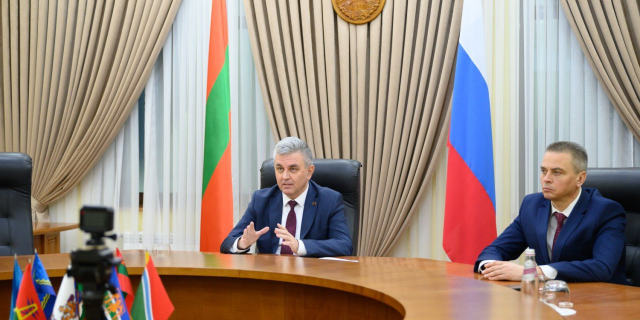
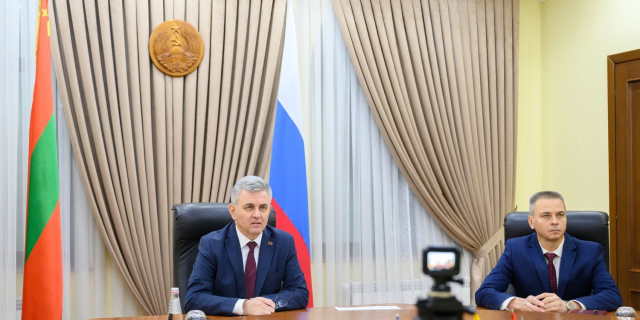
Фото из архива информационного агентства "Новости Приднестровья"
Tasks in the areas of social protection, pensions, guardianship, family, and labor – assigned to the Ministry of Social Protection and Labor.
Ensure the timely payment of pensions, benefits, compensation, and other established payments.
Implement the activities of the "Equal Opportunities" state target program for 2026-2028.
Develop and implement mechanisms to support families who have adopted orphans and children left without parental care. There are many complaints about this issue. Perhaps there is a lot of bureaucracy, but perhaps it is appropriate. When a family decides to adopt a child, they should be confident in their choice. Certain difficulties may need to be overcome, but officials should also be mindful of their stupidity. A proper approach to people should be taken: explaining, demonstrating, and addressing their requests, including those of children. Take measures to update the procedure for providing state support to young families for the purchase of housing, depending on the grounds for termination of the recipient's employment (service) and the introduction of a mechanism for monitoring their subsequent employment (entry into service).
Increase the provision of temporary employment to minors during the summer holidays to introduce them to the workforce, provide effective career guidance, and acquire basic professional skills. Of course, we need to work with the Ministry of Education, the Ministry of Agriculture, and the Ministry of Economic Development. This can and should be done. We were all once exposed to work. We all worked in factories, on collective and state farms, doing something. This is normal. Work truly educates.
Regarding persons with disabilities, we need to work towards their maximum socialization. Conduct outreach efforts to popularize sports among persons with special needs. We have now established sports support centers, so to speak. The largest center is in Tiraspol, of course. Slightly more modest, but also quite decent, are Bendery, Dubossary, and Rybnitsa. I sometimes run into these people, talk to them, and they don't know about this center in Tiraspol. They don't know, even though all the conditions are in place. We need to inform people, regardless of their age, about the opportunity to participate in sports, including for socialization. We built these centers specifically for this purpose. They must operate at full capacity. Another very important point: we must finally move forward with the project to create a temporary and permanent residence center for persons with disabilities aged 18+. I've touched on this issue many times. The point is that people have various problems, psychological illnesses. While parents are alive, they care for their children, God bless them. They care for them. One can only be grateful for that, but time takes its toll. Parents age, become frail, and they themselves require outside care, some medical assistance, some rest. What should we do with these people? You can't just leave them like that. Such people exist. There are about 450 of them in the republic. What if the parents of disabled people die? Just think about it, where will these people go? These people are already 30, 40 years old. Where will they go? Where will they go? To some basements? They will simply die quietly. Everyone will pass by and, so to speak, not pay attention. This is immoral, and anti-religious, absolutely not right. It's long overdue. Alexander Nikolaevich Rosenberg and I chose a location in 2025, and there's already a plan. It's like driving from Tiraspol towards Slobodzeya, the long-standing unused building of the Sukleya school. It’s perfect for the moment. Both men and women could be there separated. There is a hectare of land. Everything is great. Only there's no money. We need to find it. It seems we have found it. We need to implement it. We need to invest at least seven million rubles this year to install the roof, windows, and utilities. But we won't back down from this. Otherwise, all our efforts will be worthless. Everything is beautiful and wonderful, but we need to judge these places by the state's attitude toward these people. Therefore, we need to understand and finally begin implementing this project. It's a very important project. The plan is for both temporary and permanent residence. Of course, there must be appropriate mechanisms in place; they must work on funding, pensions, and so on. There's a hectare of land –that means employment, keeping these people occupied. Medical care, and sports orientation, and so on. So that people feel like human beings, you understand, and not like some kind of abandoned.