Society
Presidential Address, "Political Self-Sufficiency" Section, Tasks for the Ministry of Justice of the PMR (Transcript)
29 Jan, 2026, 15:41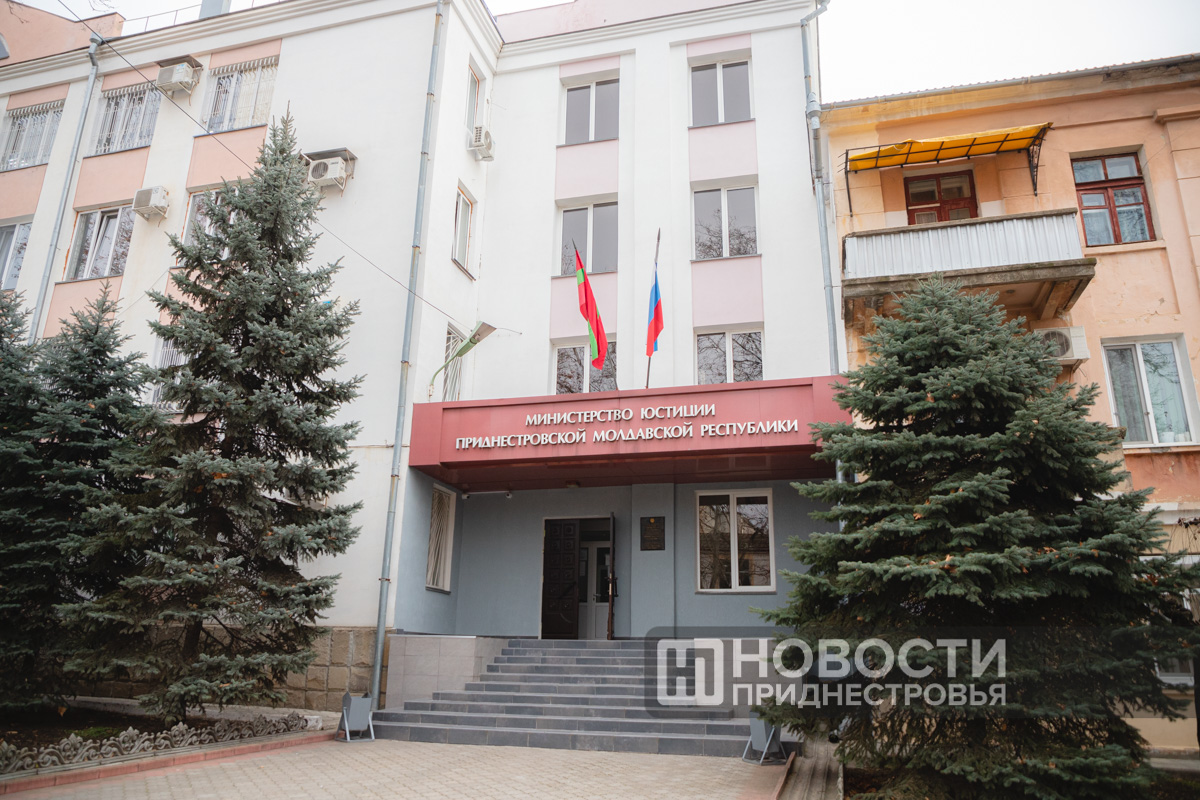
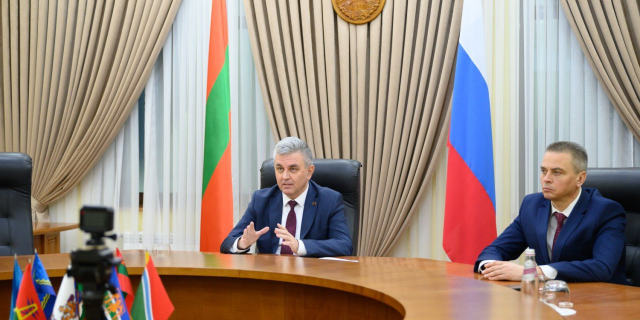
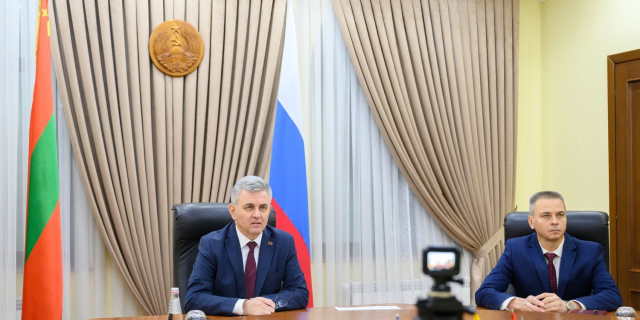
Фото из архива информационного агентства "Новости Приднестровья"
To the Ministry of Justice: Continue conducting objective, thorough legal and anti-corruption reviews of draft regulatory legal acts, independent of any influence that justifies the advisability of their adoption. The assessment of drafts must always be based on the protection of fundamental human and civil rights and freedoms guaranteed by the Constitution of the Pridnestrovian Moldavian Republic. I hope this goes without saying.
Implement a QR code-based debt payment mechanism using the state information system "Electronic Payments."
Adopt legislative measures to create a public service for verifying revoked powers of attorney.
Continuously monitor the conversion of archival records from civil registry offices in cities and districts into electronic form. Together with the state administrations of cities and districts of Pridnestrovie, create conditions (attention!) for the employment of convicted persons released from prison who acquired a specialty while serving their sentences. My message is the following: dear colleagues, heads of administrations, heads of organizations, don't shy away from previously convicted individuals. They are just people, just people who stumbled. Yes, it happens. That's life. But the state has created the conditions for these individuals to acquire a specialty while in prison. Yes, there are those who don't want to acquire this specialty. No need to persuade them. There are those who acquire specialties such as tractor drivers, plumbers, landscapers, and others. We need workers. These people should be released and work with us. They are also part of the Pridnestrovian people. Yes, they stumbled, but they definitely got what they deserved and were completely exonerated of any guilt for the crime. Therefore, if such people approach you, create conditions for work, especially in municipal organizations. You need it.
Carry out a series of measures aimed at repairing and reconstructing the living and utility spaces of penal institutions.
Encourage inmates to engage in conscientious, law-abiding behavior, which serves as the basis for decisions on parole from court-imposed prison sentences. I'll elaborate on this a bit more, so you understand. The numbers are also quite revealing and interesting. Nine years ago, when I took office as President, I took up this issue because I'm a former law enforcement officer. As of January 1, 2017, there were 3600 people in prisons for various offenses and crimes. According to court verdicts, of course. So, through a competent approach to those held there, through the implementation of an appropriate mechanism for parole, pardons, and amnesty, we have achieved very good results. Currently, there are approximately a thousand people in prisons. Three thousand six hundred and one thousand. That's a good figure. That's a very good figure. Moreover, if we look at the average rate per 10000 people, we have almost half as many people deprived of their liberty as Moldova. That's a good figure. That's your job. Therefore, of course, if we take pardons and amnesties, the best mechanism is parole, when the court makes the decision, of course. Because only the court can fully evaluate all the case materials. The leadership of the Main Directorate for the Execution of Punishments naturally must present materials characterizing the convicted person. But that's precisely what I'm aiming for. We don't need people in prison, in principle. Of course, there are certain categories that should be kept there; they are dangerous to society. But, ultimately, we should always accommodate people.
Here's another thing about places of detention. Leadership of the Ministry of Justice and the Penitentiary Service: think about promoting sporting events in places of detention. You're working on this. I know there are sports grounds, soccer fields, basketball courts. We need to step up our efforts and increase sporting events. It's normal for football veterans to come and play in prisons with the appropriate team, as before. We need to introduce them not only to work, but also to sports. We need to provide that opportunity. The State Sports Service should also be involved in this, of course. Not running marathons, of course, that's not necessary, but sports should be practiced within the places of detention.